
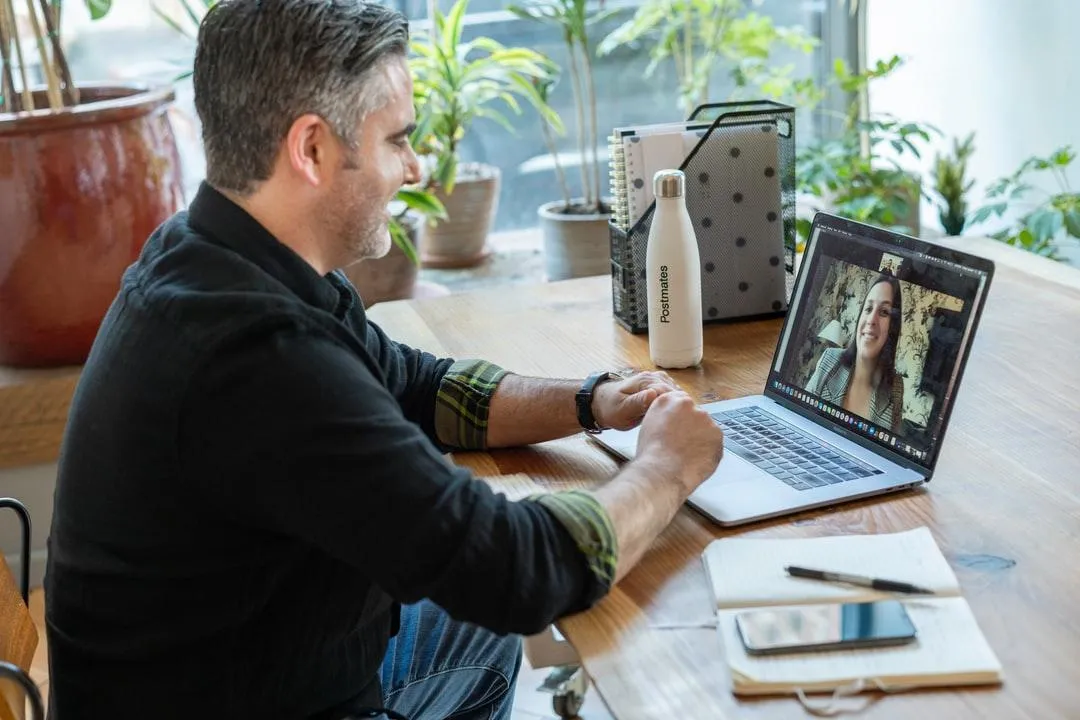
What a Remote Inbound Closer Really Does
A remote inbound closer is a professional who specializes in handling leads that already show interest in a product or service. Unlike outbound closers who chase prospects, an inbound closer works with individuals who initiate contact, often through ads, referrals, or online forms. This makes their role less about convincing people to listen and more about guiding an already interested prospect toward a decision. A remote inbound closer doesn’t just sell — they listen, analyze, and build a relationship that encourages trust. Their focus is on creating conversations that uncover needs and match those needs to solutions. Since they work remotely, they can engage with clients from anywhere in the world, making them valuable assets in today’s digital marketplace. Businesses that rely on high-ticket offers, coaching, or consulting services benefit greatly from this model.
Core Skills Every Remote Inbound Closer Must Have
The effectiveness of a remote inbound closer depends on mastering certain core skills. Active listening is vital because it allows closers to understand a prospect’s pain points without jumping straight into sales mode. They must be skilled at asking the right questions, uncovering hidden needs, and connecting emotionally with clients. Product knowledge is equally important, as credibility builds trust quickly when a closer speaks confidently about solutions. Emotional intelligence plays a big role, particularly when handling objections in a professional, calm manner. A skilled remote inbound closer knows how to frame objections as opportunities for deeper dialogue rather than obstacles. Finally, closing techniques like trial closes, assumptive closes, and consultative approaches help guide the prospect naturally toward a decision without making the process feel forced.
Why Businesses Need a Remote Inbound Closer
Businesses invest heavily in marketing campaigns to generate leads, but without a skilled remote inbound closer, those leads may never convert into paying customers. Inbound closers bridge the gap between marketing and revenue by turning interest into action. Since they work with warm leads, they have a higher probability of closing deals compared to outbound methods. By building trust through personalized conversations, they shorten the sales cycle and boost overall ROI. Remote closers also bring flexibility to companies since they don’t require a physical office or location-based resources. This reduces overhead costs while maintaining high conversion rates. Companies that employ closers for inbound sales often see more consistent revenue growth because they maximize the potential of every incoming lead.
A Day in the Life of a Remote Inbound Closer
The daily routine of a remote inbound closer involves structure, discipline, and a balance between preparation and execution. Their day often begins with reviewing scheduled calls, analyzing lead notes, and setting mental focus for effective conversations. Discovery calls make up a large part of their schedule, where they listen to prospects’ needs and position solutions in a way that feels customized. During these calls, they also handle objections, which may include pricing concerns, time commitments, or hesitations. Each interaction is tracked using KPIs like conversion rates, call durations, and follow-up effectiveness. Beyond calls, a remote inbound closer invests time in follow-ups, ensuring no lead falls through the cracks. They also engage in self-improvement practices such as reviewing recorded calls, refining scripts, or learning new techniques to improve performance.
Tools and Technology That Empower Remote Inbound Closers
Modern technology allows a remote inbound closer to work effectively from anywhere. CRM systems like HubSpot or Salesforce keep pipelines organized and track lead progress across multiple touchpoints. Video conferencing tools such as Zoom or Google Meet provide face-to-face engagement that builds stronger connections with clients. Call recording and analytics platforms help closers review their conversations, identify strengths, and improve weak points. Automation tools for scheduling, reminders, and follow-ups make the process seamless and prevent missed opportunities. Collaboration tools like Slack or project management systems keep closers connected with their teams, even when working independently. These digital tools not only enhance productivity but also help maintain professionalism and consistency across every client interaction. The ability to leverage technology is what separates average closers from high-performing professionals.
Common Challenges Remote Inbound Closers Face and How to Overcome Them
Working as a remote inbound closer isn’t without its challenges. Inconsistent lead quality can be frustrating, especially if marketing teams don’t filter prospects properly. To handle this, closers must sharpen their qualification skills to quickly identify serious buyers from casual inquirers. Remote work distractions also pose difficulties, requiring closers to create structured environments that promote focus. Another challenge lies in meeting sales targets under pressure, which can sometimes lead to burnout if not managed well. Virtual communication brings its own barriers, as tone and intent may sometimes be misinterpreted without physical cues. Overcoming these obstacles requires discipline, self-motivation, and continuous improvement. Successful closers learn to treat every challenge as part of the growth process, ultimately building resilience and stronger sales abilities.
Pathways to Becoming a High-Performing Remote Inbound Closer
Becoming an effective remote inbound closer is a journey that combines training, practice, and mindset. Many closers start by enrolling in specialized training programs that teach objection handling and persuasion techniques. Role-playing exercises are essential because they allow professionals to practice real-world scenarios in a safe environment. Mentorship opportunities also play a key role, as experienced closers can provide guidance, feedback, and shortcuts to success. A growth mindset helps aspiring closers stay focused on progress rather than perfection. Networking in online communities gives access to peer support and industry insights. Finally, building a personal brand on social platforms can attract clients or companies looking for skilled closers. With dedication and consistent practice, closers can transform their careers into lucrative, flexible opportunities.
Remote Inbound Closer Career Growth Opportunities
The career of a remote inbound closer does not stop at closing deals. Many grow into leadership roles, such as managing sales teams or training new closers. Others move into consultancy, teaching companies how to optimize their inbound sales processes. Freelance opportunities are also abundant, allowing closers to work with multiple clients across industries. Some professionals expand into marketing or business development, leveraging their sales expertise to shape overall company strategy. The earning potential is significant, especially in high-ticket industries like coaching, software, and real estate. Career growth also includes creating personal sales coaching businesses, where closers train others to achieve similar success. With the rise of remote work, the demand for skilled closers continues to grow, ensuring long-term stability and opportunity.
FAQs About Remote Inbound Closers
What is the typical salary of a remote inbound closer?
A remote inbound closer’s income varies depending on the industry and commission structure, but many earn between $60,000 and $120,000 annually, with top performers exceeding that range.
Do you need certifications to start as an inbound closer?
While certifications are not mandatory, training programs and mentorship can significantly improve skills and boost confidence when entering the role.
Can beginners with no sales background succeed in this role?
Yes, many successful closers started without formal sales backgrounds but committed to learning the craft through practice, training, and persistence.
What industries hire remote inbound closers most often?
Industries like coaching, consulting, real estate, SaaS, and online education frequently hire inbound closers due to their high-ticket offerings.
How do you measure success as a closer working remotely?
Success is measured through KPIs like conversion rates, average deal size, revenue generated, and client satisfaction.